

What Your Car’s Dashboard Lights Mean (and Which Ones Should Make You Pull Over)
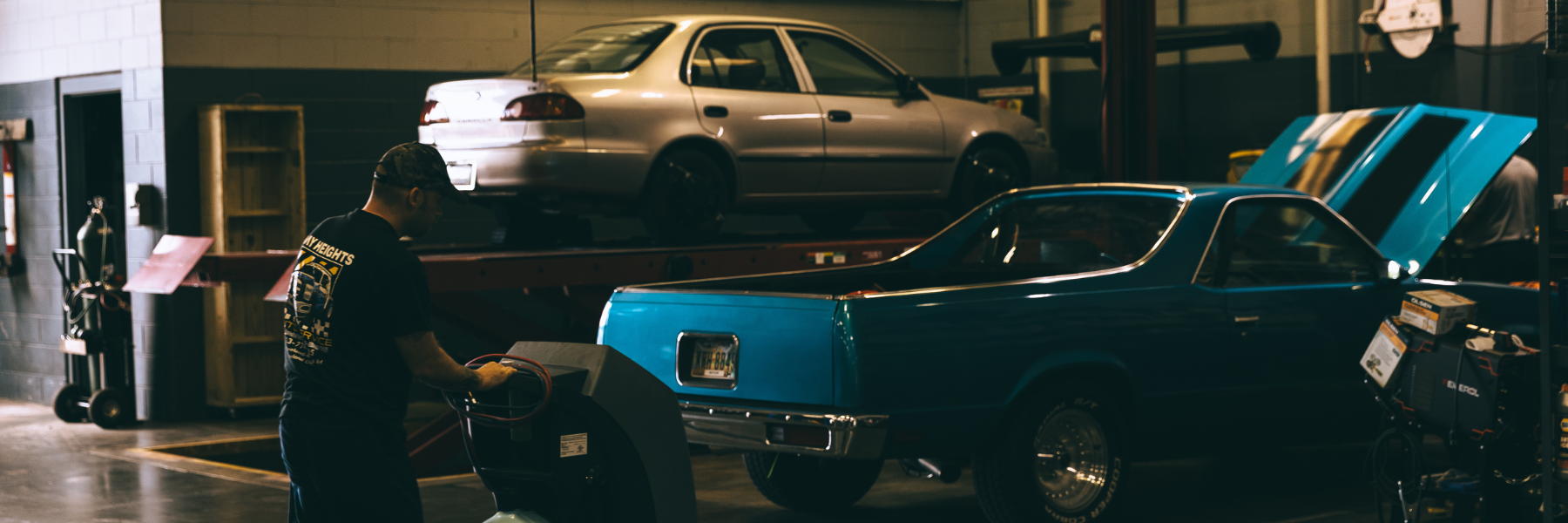
Service at Loveland location.
A dashboard light always seems to pop on at the worst time. Maybe it’s a dark January morning in Cincinnati, the car’s still cold, you hit a pothole, then a little icon lights up like it’s judging you. Your heart rate spikes, and suddenly every noise sounds suspicious.
Here’s the simple truth: dashboard lights aren’t all emergencies. Most fall into three color buckets. Green or blue means something is on and working. Yellow or amber means caution, you can usually keep driving but you should get it checked soon. Red means stop safely as soon as you can.
This guide gives you a quick way to decide: keep driving, drive carefully and schedule service, or pull over and shut it off.
First, read the color and the icon so you do not guess
When a warning light comes on, guessing is what turns a small issue into a big one. Use this quick system. It takes less than a minute, and it works whether you’re on I-75 in stop-and-go traffic or rolling through neighborhood streets.
Start with four checks:
1) Check the color.
Red is urgent. Yellow is caution. Green or blue is informational.
2) Check if it’s flashing.
A flashing light is usually more serious than a steady one. Treat flashing as “act now,” even if the car still feels normal.
3) Notice what the car is doing.
Pay attention to symptoms you can feel or smell:
Loss of power, shaking, or rough idle
Burning smell, sweet smell (coolant), or fuel smell
Loud ticking, knocking, or a sudden new rattle
Steam from under the hood
Brake pedal that feels soft or different
If a light comes on and the car also feels wrong, trust the symptoms.
4) Look for a message in the cluster screen.
Many vehicles pair a symbol with text like “Engine Overheating” or “Charging System.” That message often matters more than the icon alone.
When you’re safely parked, check the owner’s manual. If you don’t have it, many are available in a phone app or online. The goal is simple: identify the system, then choose a safe next step.
Red vs yellow vs green, the simple meaning of each
Red: Stop safely as soon as possible, shut the engine off, and investigate or call for help.
Yellow/amber: Drive carefully, avoid hard acceleration, and schedule service soon.
Green/blue: Information only, a system is on (like headlights or cruise control).
One extra rule that’s easy to remember: red plus flashing is as urgent as it gets.
Flashing lights and warning chimes, what they usually signal
Flashing warnings often mean the problem is happening right now, not “sometime later.” A flashing check engine light can point to a misfire that can damage the catalytic converter. A flashing temperature light can mean fast overheating. A sudden oil pressure warning can mean the engine isn’t getting lubrication.
Chimes and big “STOP” messages are your car raising its voice. Take that seriously.
If you need to pull over, do it smart. Avoid stopping on a blind curve or just past a hill. Signal early, move to a safe shoulder or parking lot, and turn on your hazard lights.
Pull over right away for these dashboard lights (and what to do on the shoulder)
Some lights mean “get off the road” because the risk is immediate. In Cincinnati winter weather, that urgency matters even more. An overheating engine or weak brakes in slush is a bad mix, and sitting stuck in I-75 traffic can make a borderline issue turn into a breakdown.
Below are the warnings that deserve quick action.
Engine temperature or coolant warning, overheating can ruin an engine fast
What it usually means: The engine is too hot, or coolant level is low. Common causes include low coolant, a cooling fan failure, a stuck thermostat, or a leak.
What you might feel: The temperature gauge climbs, the heater blows cold, you lose power, or you see steam.
Safest next step: Turn off the A/C. If you’re trying to limp to a safe spot, turn the heat on full to help pull heat from the engine. Then pull over and shut the engine off.
Do not open a hot radiator cap. Let it cool. If it overheats again quickly after cooling, call for a tow. Driving an overheating engine can warp parts and cause major damage.
Oil pressure warning, why this is different from an oil change reminder
What it usually means: The engine may not be building oil pressure. That’s not the same as “time for an oil change.” It can be low oil, a bad sensor, a pump issue, or a leak.
What you might feel: Sometimes nothing at first, other times ticking, knocking, or a sudden change in engine sound.
Safest next step: Pull over and shut the engine off quickly. Check the oil level if you can do it safely on level ground. If the light stays on after adding oil, or if the level was fine to begin with, do not keep driving. Get it towed and checked.
Battery/charging system light, you may lose power steering and stall
What it usually means: The charging system isn’t keeping up. Often it’s an alternator problem, a loose belt, or wiring trouble.
What you might feel: Dimming headlights, strange electrical behavior, warning lights stacking up, or the engine stalling.
Safest next step: Reduce electrical load (turn off heated seats, rear defrost, and accessories). Head to a safe nearby place because the car may run only a short time on battery power. Try not to get trapped in traffic where a stall would be dangerous.
Brake system warning or ABS plus brake light together, treat it as a brake problem
What it usually means: It could be the parking brake is on, the brake fluid is low, or there’s a hydraulic issue. If the brake warning light is on with the ABS light, take it seriously.
What you might feel: A soft pedal, the car pulling when braking, grinding, or longer stopping distance.
Safest next step: If braking feels different, stop driving and call for help. If only the ABS light is on, your regular brakes typically still work, but anti-lock help may be reduced. In rain, snow, or icy intersections, leave extra following distance and brake earlier.
Flashing check engine light, a misfire can cause expensive damage
What it usually means: Often an active misfire, which can send raw fuel into the exhaust and overheat the catalytic converter.
What you might feel: Shaking, loss of power, flashing light under load, or a strong fuel smell.
Safest next step: Pull over soon and avoid heavy throttle. If the engine is shaking hard or the light keeps flashing, towing is the safer choice than trying to push through traffic.
Lights you can usually drive with, but should not ignore
Some warning lights don’t require an immediate stop, but they still matter. Think of them like a “check this soon” note. If the car starts running rough, overheating, or braking differently, treat the symptoms as the top priority.
Check engine light (steady), safe enough to drive, but get it checked soon
A steady check engine light can be something simple, like a loose gas cap, or something that hurts fuel economy and emissions, like a sensor issue.
A practical approach:
Tighten the gas cap until it clicks (if you just fueled up).
Watch for new symptoms like rough idle or poor acceleration.
Schedule a diagnostic within a few days.
If you want a clear answer instead of guesses, book electronic diagnostic services in Milford and Loveland to pinpoint the cause.
Tire pressure warning (TPMS), especially common with Cincinnati cold snaps
Cold air shrinks. When temperatures drop overnight, tire pressure drops too, and the TPMS light loves to appear on the first freezing morning.
Check pressures when tires are cold, then inflate to the door-jamb sticker number (not the tire sidewall). Driving on underinflated tires can hurt handling, fuel economy, and tire life.
If the TPMS light flashes and then stays on, the system may have a sensor problem, not just low pressure. If this is the case, our team is happy to assist you. Schedule your appointment at your earliest convenience.
Traction control, stability control, and lane safety lights, what they mean in bad weather
When traction or stability control lights flash, the system is working because the tires are slipping. That’s common on slushy streets, wet highway ramps, or uneven pothole patches.
When those lights stay on, the system may be turned off or there may be a fault. Drive more carefully, especially in rain and snow. Electronics can help, but they can’t create traction out of thin air. Tires and speed choice still matter most.
Conclusion
Dashboard lights don’t have to be mysterious. Use the decision tree: red or flashing means pull over safely and shut it off, yellow means drive carefully and schedule service soon, and green or blue means information only.
The biggest mistake is ignoring a light when the car feels different. New smells, noises, or loss of power are your early warning system.
If a light stays on, comes back, or starts flashing, get it checked before it turns into a roadside problem. A quick inspection now usually beats a tow later, especially in Cincinnati winter traffic.